Supplement ratings, scored from the label up.
We audit Supplement Facts panels, clinical dosages, third-party lab testing, and real cost per serving. Some pages include affiliate shop links, disclosed where the buy button sits.
For research and educational purposes only. Not medical advice.
Core evaluation criteria
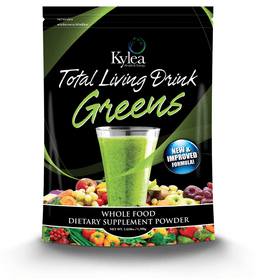
Kylea Health
Total Living Drink Greens
$3.30 / dose
Safety
99
Efficacy
97
Transparency
98
Label audit: 100% itemized label with full milligram transparency. Zero hidden proprietary blends.
Get the Greens Powder Heavy Metals & Price Matrix
We audited 18 leading greens powders for heavy metal disclosures, undisclosed proprietary blends, and true cost per active gram. Download the 1-page reference cheat sheet free.
Product scorecards
Full score breakdowns covering safety, efficacy, clinical dosing, and label transparency for 18 ranked powders.
Head-to-head
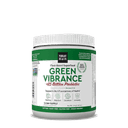
Direct comparisons for AG1, Green Vibrance, Organifi, Live It Up, Bloom, and Amazing Grass.
Best greens of 2026
Curated buying lists filtering by organic certification, third-party testing, and probiotic CFU counts.
Label math tools
Interactive calculators for price-per-serving, protein scoop gaps, heavy metals COAs, and blend checklists.
Shop
Shop the bottles
NutriScore may earn a commission if you buy through a link on these pages.
Collagen drinks
Liquid collagen for skin, hair, nails, and joints.
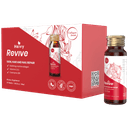
Liquids, gummies, and chews
Price one labeled serving before comparing the format.
Daily drops
Vitamin D3, chlorophyll, and lemon balm droppers.
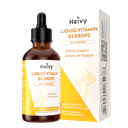
Vitamin D drops
Heivy liquid vitamin D3 drops at 100 mcg (4000 IU)
Shop Heivy pineapple vitamin D3, labeled 100 mcg (4000 IU), as one bottle or a two-pack.
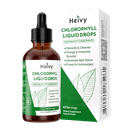
Chlorophyll drops
Heivy chlorophyll liquid drops for body odor, 60 servings
Shop Heivy chlorophyll drops, 60 servings. The page says sodium copper chlorophyllin from mulberry leaves can help reduce body odor.
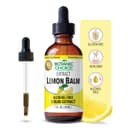
Lemon balm extract
Shop lemon balm liquid extract, alcohol-free, 1 fl oz
Shop Botanic Choice lemon balm liquid extract. The bottle is 1 fl oz (30 mL) and alcohol-free.
Focused greens guides
Faster paths for focused buyer questions.
Greens powders with recorded testing tags
A testing-signal shortlist based on recorded ranking tags, not live certification revalidation.
Greens powders with transparent labels
A transparency-score list for readers who want fewer hidden-dose mysteries.
Organic-tagged greens powders
Organic-tagged products from the current score snapshot with scorecard links.
Greens powders with probiotic tags
A probiotic and CFU tag shortlist tied back to the full rankings.
Editorial library
Latest supplement articles
Label reading hub
Label hubSupplement label reading guides for smarter comparisons
How to read Supplement Facts panels like an auditor: decode proprietary blends, verify testing badges, and calculate clinical doses.
Focus: Claims, doses, badges, fine print
Safety guide hub
Safety hubSupplement safety guides for testing, COAs, and labels
Essential safety guides for heavy-metal screening, COA literacy, third-party certifications, allergen warnings, and label evaluation.
Focus: Heavy metals, COAs, testing
New easy read
Score guideHow NutriScore grades greens powder labels and claims
A plain-English guide to NutriScore's buyer score: label transparency, dose clarity, testing posture, claim discipline, additives, and price context.
Focus: Scoring, labels, testing, claims
New easy read
Label guideSucralose, Red 40, and gums: a supplement label guide
A practical guide to sweeteners, colors, gums, flavors, and what additive lists can tell you about a powder label.
Focus: Sweeteners, colors, gums, label fit
New easy read
Ingredient guideElectrolyte mixes: how to read sodium and minerals
A light guide to sodium, potassium, magnesium, hydration claims, and how to read electrolyte packets without overbuying the hype.
Focus: Sodium, potassium, hydration labels
New protein guide
Label mathWhey isolate vs concentrate: compare the label math
A plain-English read of whey isolate, whey concentrate, protein grams, calories, allergens, and when the upgrade is worth caring about.
Focus: Whey type, protein density, label math
New protein guide
Dose guideHow much protein powder do you need? Calculate the gap
A simple way to calculate daily protein targets, food-first intake, scoop gaps, and when an extra serving is just expensive powder.
Focus: Daily target, food intake, scoop gap
New protein guide
Source guidePlant protein vs whey: what "complete protein" really means
A practical guide to complete protein, essential amino acids, whey, soy, pea and rice blends, allergens, and label clarity.
Focus: Complete protein, amino acids, buyer fit
New testing guide
Testing guideNSF Certified for Sport vs Informed Sport: what badges mean
A practical guide to sport supplement certification badges, vague third-party testing claims, and what a missing badge does or does not tell you.
Focus: Certification, testing scope, buyer risk
New safety guide
Safety guideWhy concentrated greens powders need heavy-metal tests
The water-removal math behind concentrated plant powders, heavy-metal testing, and why a buyer-useful COA needs serving-size numbers.
Focus: Drying math, heavy metals, COAs
New ingredient guide
Dose guideCreatine monohydrate, gummies, and key forms compared
A label-first read of creatine forms, gummies, premium claims, grams per serving, and why monohydrate remains the default to beat.
Focus: Creatine forms, dose clarity, testing
New easy read
Dose guideClinically significant dose vs whatever is on the label
A plain-English guide to matching supplement dose claims against the label, the evidence, and the math hiding behind clinically studied language.
Focus: Dose claims, label amounts, evidence fit
New easy read
Label guideFairy dusting in supplements: how tiny doses can hide
A lighter NutriScore guide to tiny-dose label theater, proprietary blends, and how to tell when a buzzy ingredient is doing more marketing than work.
Focus: Tiny doses, hidden amounts, label claims
New easy read
Label guideProprietary blend is a red flag: how to read past it
A plain-English guide to what proprietary blends tell you, what they hide, and how to read the blend without assuming the worst.
Focus: Blend labels, dose clarity, red flags
Latest safety guide
Lead testingHow much lead is in your greens powder? What tests show
A buyer-focused read of public lead testing, Prop 65, FDA reference levels, ConsumerLab notices, and what a useful COA should show.
Focus: Lead, COAs, Prop 65
Latest teardown
ScorecardOrganifi Green Juice: label, evidence, and safety review
A checklist for reviewing Organifi's label, price, ashwagandha claims, testing documents, and safety fit.
Focus: Organic claims, price, COA, Prop 65
Brand teardown
ScorecardWhen an AG1 subscription stops being worth the price
A sourced AG1 teardown covering price, label transparency, evidence, certification, cancellation terms, and the remaining buy case.
Focus: Price, dose opacity, cancellation complaints
Brand comparison
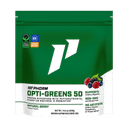
ComparisonAG1 vs Green Vibrance vs Opti Greens 50: a comparison
A score-and-price comparison of AG1, Green Vibrance, and Opti Greens 50 focused on label transparency, certification, and value.
Focus: Score, price, transparency
Comparison guide
Budget guideLower-cost AG1 alternatives ranked by score and price
A price-and-score breakdown of cheaper AG1 swaps against every current AG1 price plan.
Focus: Budget swaps, score tradeoffs
Brand teardown
ScorecardIs AG1 worth the monthly price? Label and evidence
A label-first score of AG1's testing posture, current pricing, hidden individual doses, and whether the convenience earns the premium.
Focus: Testing, hidden doses, price
Ranking context
Score tables for quick comparison.
Use the full rankings when you want a compact product-by-product view. The article pages explain the label tradeoffs behind price, testing, and transparency.
Open the full rankingsBrowse scorecards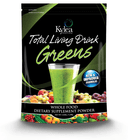
What the articles check
Claims need evidence.
Dose clarity
Articles call out proprietary blends, missing ingredient amounts, and claims that depend on undisclosed dosing.
Testing posture
Public COAs, third-party certifications, contaminant disclosures, and safety warnings are treated as ranking context.
Price pressure
Scores are read against the monthly cost, serving size, and what cheaper alternatives actually disclose.
Conservative wording
Coverage avoids disease-treatment claims and keeps health-adjacent analysis educational.